
Jaw Pain When Eating | Causes and What to Do

Patient experiencing jaw pain when eating | TMJ specialist Mumbai

Jaw Pain When Eating — Causes, Warning Signs and When to See a Specialist

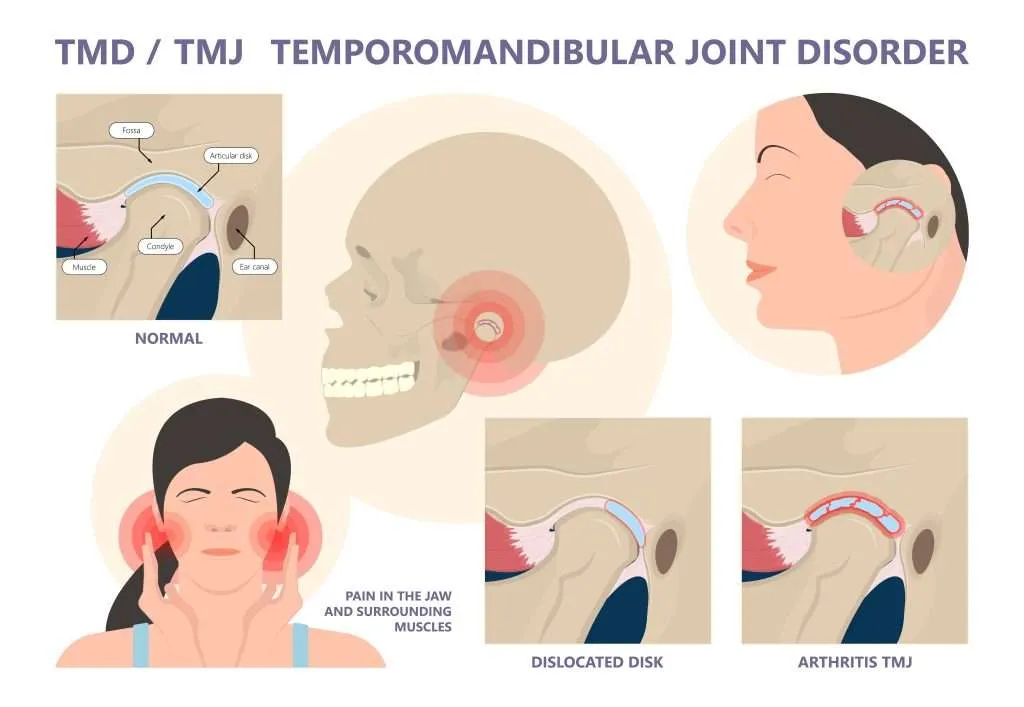
Jaw pain when eating is most commonly caused by temporomandibular joint (TMJ) disorder, myofascial muscle pain (MPDS), or bite imbalance. It occurs because chewing loads the jaw joint and surrounding muscles and when those structures are inflamed, displaced or overloaded, eating triggers or worsens the pain. In most cases, jaw pain when eating can be treated without surgery.

Why Does My Jaw Hurt When I Eat?

Chewing is one of the most demanding activities your jaw joint and muscles perform. Even normal chewing generates significant force and when the joint, disc or surrounding muscles are not functioning correctly, that force becomes painful.
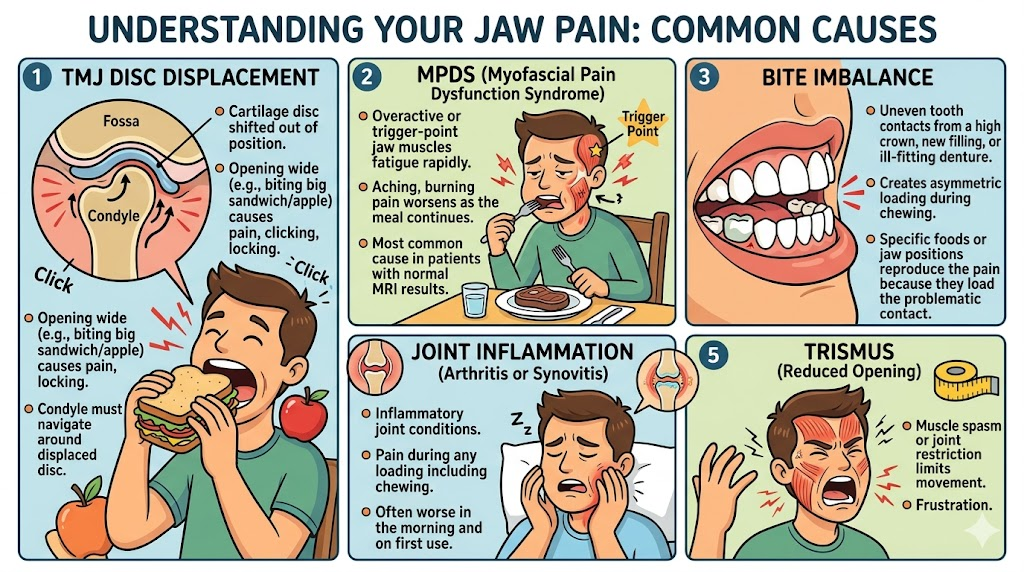
The most common causes of jaw pain when eating include:

  1. TMJ Disc Displacement: The cartilage disc inside the joint has shifted out of position. On opening wide as when biting into a large sandwich or apple the condyle must navigate around the displaced disc, causing pain, clicking or locking.
  2. MPDS (Myofascial Pain Dysfunction Syndrome): Overactive or trigger-point jaw muscles fatigue rapidly during chewing, producing an aching, burning pain that worsens as the meal continues. This is the most common cause of jaw pain when eating in patients with normal MRI results.
  3. Bite Imbalance: Uneven tooth contacts from a high crown, new filling, or ill-fitting denture create asymmetric loading during chewing. Specific foods or jaw positions reproduce the pain because they load the problematic contact.
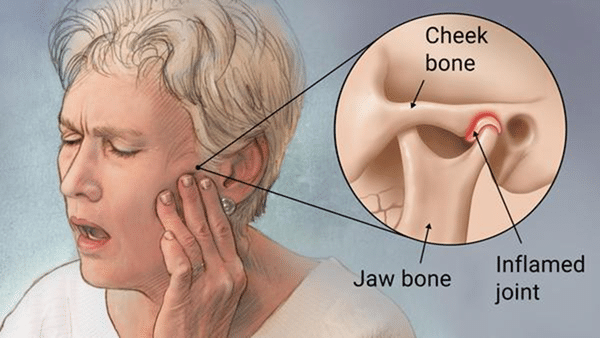
  4. Joint Inflammation (Arthritis or Synovitis): Inflammatory joint conditions cause pain during any loading including chewing. Pain is often worse in the morning and on first use.
  5. Trismus (Reduced Opening): Muscle spasm or joint restriction limits how wide the mouth opens. Hard foods that require wide opening trigger pain at the limit of mouth opening.

Warning Signs That Jaw Pain When Eating Needs Clinical Evaluation

Occasional jaw fatigue after a very long or hard meal may be normal. The following signs indicate that a clinical evaluation for in TMJ & Orofacial Pain is needed:

      • Pain that worsens progressively during a meal not just at the first bite
      • Jaw clicking, popping or grating specifically during chewing
      • Pain that spreads to the ear, temple or neck during or after eating
      • Difficulty opening wide enough to eat comfortably
      • Jaw that locks or catches during chewing
      • Pain that has persisted for more than 3-4 weeks
      • Avoiding certain foods because of jaw pain
      • Waking with jaw pain that is worse after meals the day before.

Jaw Pain When Eating — Treatment in Mumbai

Jaw pain when eating is one of the most reliably treatable TMJ symptoms when the correct cause is identified. At Dr. Prostho Dental Clinic in Mumbai, treatment begins with a structured diagnostic evaluation:

      • T-Scan digital bite analysis identifies uneven force distribution high spots or lateral interferences that are overloading specific muscles or joint structures during chewing.
      • EMG assessment measures jaw muscle activity during chewing identifying which muscles are overactive and whether the pattern is consistent with MPDS or bruxism.
      • Clinical examination and muscle palpation reproduce the pain at specific trigger points confirming muscle-origin pain and distinguishing it from joint-origin causes.
      • Once the cause is identified, treatment is targeted: bite adjustment for occlusal imbalance, splint therapy for disc displacement or muscle overload, neuromuscular therapy for MPDS, and dietary modification during the acute phase. Most patients notice significant improvement within 3-6 weeks.

Frequently Asked Questions — Jaw Pain When Eating

Why does my jaw hurt when I eat?

Jaw pain when eating is usually caused by TMJ disorder, MPDS (jaw muscle pain), or bite imbalance. Chewing loads the jaw joint and muscles and when these are inflamed or overloaded, eating triggers pain. A clicnical evaluation in TMJ & Orofacial Pain can identify the exact cause.

Is jaw pain when eating serious?

It depends on the cause and duration. Occasional jaw fatigue after a very tough meal is usually not serious. Jaw pain that occurs consistently during eating, worsens progressively, or is accompanied by clicking, locking or ear pain warrants a specialist evaluation as untreated TMJ conditions can worsen over time.

What should I eat with jaw pain?

During an acute phase of jaw pain, soft foods that require minimal chewing effort are recommended: yoghurt, scrambled eggs, dal, soft rice, mashed vegetables and smoothies. Avoid hard, chewy or large-bite foods bread crusts, raw vegetables, meat on the bone, and hard sweets until the acute phase is managed.

Which doctor should I see for jaw pain when eating in Mumbai?

A specialist dental doctor with Special Interest in TMJ & Orofacial Pain typically a Prosthodontist or oral physician with neuromuscular training is the most appropriate doctor for jaw pain when eating. Dr. Sorabh Jain Prosthodontist with Special Interest in TMJ & Orofacial Pain can help in clinical evaluation. Call +91-7303302651 to book.

Experiencing jaw pain when eating or chewing?

Dr. Sorabh Jain, Prosthodontist with Special Interest in TMJ & Orofacial Pain in Mumbai. Book an evaluation to get a clinical assessment and a clear treatment plan.

doctorsorabhjain
Latest posts by doctorsorabhjain (see all)