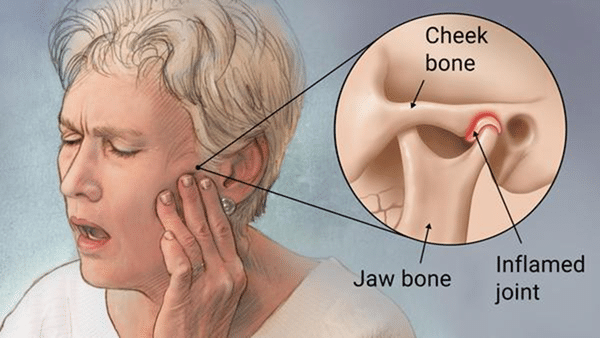
Introduction: TMJ Pain Is More Common Than You Think
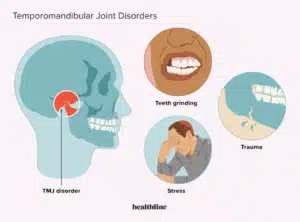
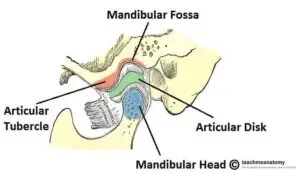
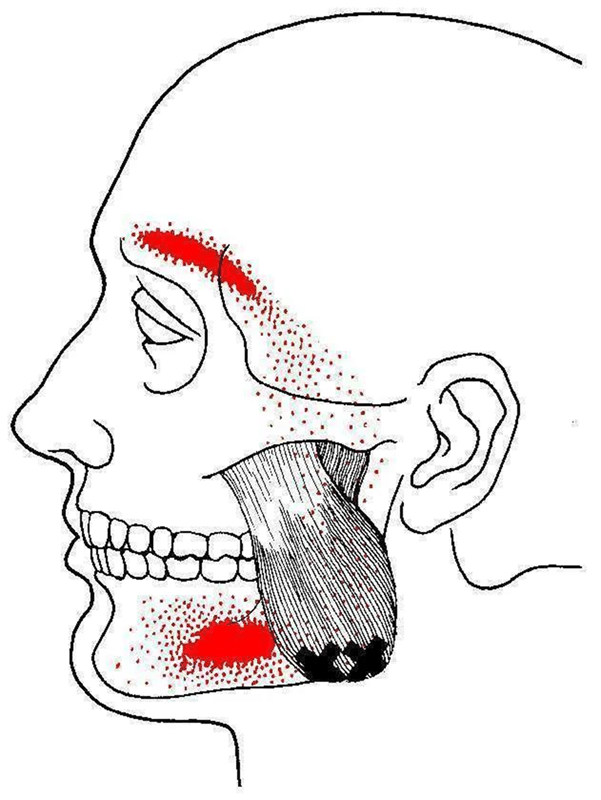
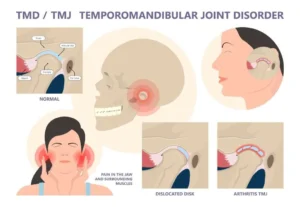
TMJ pain is caused by problems in the temporomandibular joint, its surrounding muscles, or the bite and most commonly involves a combination of all three. The three main causes are disc displacement (the cartilage cushion inside the joint shifts), myofascial pain (jaw muscle overload from bruxism or bite imbalance), and occlusal (bite) problems from uneven dental work. In Mumbai, specialist TMJ evaluation using T-Scan and EMG provides accurate cause identification and guides conservative, non-surgical treatment.
Jaw pain, clicking, facial tightness, headaches, or difficulty while chewing many patients live with these symptoms for years, thinking “it’s normal” or “it will go away on its own.” But TMJ disorders (TMD) are rarely simple. The jaw joint is one of the most complex joints in the body, involving muscles, ligaments, the disc, posture, bite, breathing, and stress.
In my practice, I see patients who visit after trying painkillers, home remedies, or even multiple dental consultations, yet their pain returns. The truth is: TMJ pain needs a structured, science-based, personalised approach.
This blog explains why TMJ happens, how it affects the body, and how we manage it using modern dentistry, functional bite assessment, and evidence-based therapy.
What Exactly Is the TMJ?
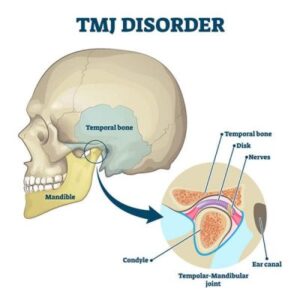
Your TMJ (temporomandibular joint) connects the jaw to the skull. It’s responsible for chewing, speaking, swallowing, and even posture stability. When this joint becomes overloaded or misaligned, the surrounding structures react:
- Jaw muscles tighten
- The disc may slip
- Nerves get sensitised
- Neck and shoulder muscles compensate
- Breathing patterns may change
This combination creates chronic pain and functional disturbance
Jaw Pain When Eating and Chewing — A Key Sign of TMJ
One of the most reliable signs of a TMJ disorder is jaw pain when eating or chewing. Chewing generates significant force on the jaw joint and surrounding muscles — and when these structures are inflamed, displaced or overloaded, eating becomes painful. Patients describe jaw pain when chewing as:
- Pain that starts immediately on biting — suggesting a bite imbalance
- Pain that builds during the meal — suggesting muscle fatigue (MPDS)
- Sharp pain on wide opening — suggesting disc displacement
- Pain that spreads to the ear during eating — suggesting joint-origin referred pain
The specific character of jaw pain when eating or chewing gives important diagnostic clues. At Dr. Prostho Dental Clinic in Mumbai, T-Scan bite analysis during chewing can identify exactly which contacts are overloaded and on which side guiding targeted treatment. See full article:
Why TMJ Causes Ear Pain on the Same Side
A frequently misunderstood symptom of TMJ disorder is ear pain on the same side as the jaw problem. Because the TMJ sits directly in front of the ear canal and shares nerve supply with the ear, joint inflammation and muscle tension frequently refer pain into the ear mimicking an ear infection on examination. Patients with TMJ-related ear pain typically have:
- Normal ENT examination — no infection, no fluid
- Ear pain that worsens when chewing or clenching
- Accompanying jaw stiffness or clicking
- No response to antibiotics
See full article: Jaw Pain and Ear Pain on the Same Side
Common Symptoms Patients Ignore
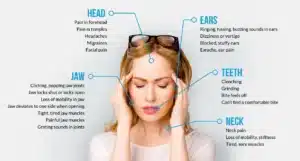
Patients often come to me stating, “I have jaw pain,” but deeper evaluation reveals:
- Morning jaw stiffness
- Clicking or popping
- Difficulty in wide opening
- Ear pain or pressure
- Frequent headaches or migraines
- Neck and shoulder discomfort
- Teeth grinding or clenching
- Sleep-related issues
- Facial asymmetry
- Fatigue from chewing
TMD rarely stays limited to the jaw, it’s a musculoskeletal and neuromuscular chain reaction.
Why TMJ Pain Happens: A Practical Breakdown
Most TMJ cases do not come from just “one reason.” In real patients, it is usually a multifactorial imbalance.
- Bite Issues (Occlusion) – A disharmonious bite can overload certain jaw muscles or push the jaw into a stressed position.
- Muscle Hyperactivity – Clenching, grinding, stress patterns, or nighttime parafunction can fatigue the muscles.
- Disc Displacement – The cushioning disc shifts from its ideal position, causing clicking or locking.
- Posture & Neck Dysfunction – Your jaw doesn’t function independently—forward head posture or cervical issues worsen TMD.
- Airway & Sleep Factors – Mouth breathing, low tongue posture, or sleep disturbances increase muscular tension.
- Trauma or Microtrauma – Even minor injuries, long dental treatments, or improper chewing patterns contribute.
How We Diagnose TMJ at My Clinic
Every patient is different, so our TMJ protocol is structured but highly personalised.
- Digital Bite Analysis – Using advanced sensors and digital occlusion tools, we evaluate. This helps us identify the exact stress points responsible for pain.
- Premature contacts
- Timing of bite closure
- Force distribution
- Whether the jaw is compensating
- Muscle Palpation & Joint Assessment: We evaluate the masseter, temporalis, pterygoids, cervical muscles, and TMJ movements to assess muscular involvement.
- Range of Motion & Asymmetry Tracking: We assess opening, lateral movements, deviations, and functional restrictions.
- Sleep & Airway Screening – Many patients with chronic TMJ pain also have the below. A complete evaluation ensures we don’t treat only the jaw but the contributing systems.
- Snoring
- Mouth breathing
- Tongue posture issues
- Interrupted sleep
- Dentistry + Musculoskeletal Approach – Because your jaw is part of a kinetic chain, your neck, posture, and muscle balance are always included in diagnosis.
Our Treatment Approach: Gentle, Modern, and Precise
No unnecessary procedures. No long-term painkillers. We follow a stepwise, evidence-based plan.
Step 1: Pain Relief Phase
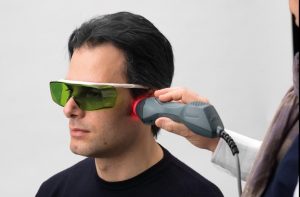
Low-Level Laser Therapy (LLLT / Photobiomodulation)
We use medical-grade lasers to:
- Reduce muscle inflammation
- Improve blood flow
- Accelerate healing
- Provide near-immediate relief
This is extremely effective for patients with muscle-triggered TMJ pain.
Targeted Muscle Therapy
Gentle release techniques for:
- Masseter
- Temporalis
- Pterygoid muscles
- Sternocleidomastoid
- Upper trapezius
These improve mobility and reduce nerve irritation.
Step 2: Correcting the Dysfunction
After initial relief, we address the root cause.
Custom TMJ Orthotics / Splints
Designed specifically for your jaw position, bite, and muscle pattern—not just a simple “night guard.”
These help:
- Reposition the jaw
- Reduce muscle load
- Stabilise the joint
- Prevent nighttime clenching
Bite Balancing (If Needed)
Using digital bite analysis, we adjust micro-imbalances only when clinically required.
Posture & Function Correction
Small daily habits play a huge role. We guide patients on:
- Jaw resting position
- Tongue posture
- Sleep position
- Chewing patterns
Step 3: Long-Term Stability
Our goal is not temporary relief—it’s stability.
Airway & Sleep Integration
If sleep breathing issues contribute to jaw tension, we address them early.
Habit Counselling
Grinding and clenching patterns often reduce once awareness and splint therapy begin.
Follow-Up Tracking
We monitor:
- Jaw movement
- Muscle tenderness
- Bite harmony
- Sleep quality
Every treatment is data-backed.
When Should You See a TMJ Specialist?
Seek a TMJ consultation if you have:
- Pain that lasts more than 2 weeks
- Clicking or locking of the jaw
- Worsening headaches or neck pain
- Difficulty chewing
- Ear symptoms without an ear infection
- Pain on waking
- Sleep disturbances
Ignoring TMJ issues can make them chronic and harder to correct.
Conclusion: TMJ Pain Is Treatable — You Don’t Have to Live With It
Most patients visit us after months or years of discomfort, assuming TMJ pain is “normal.” But modern dentistry, neuromuscular evaluation, LLLT, and customised splints can provide dramatic, long-lasting relief when the root cause is correctly identified.
If you’re experiencing jaw pain, headaches, clicking, or sleep-related symptoms, it’s better to assess early.
A small imbalance today can become a chronic condition tomorrow.

Dr. Jain has presented original research at five Indian Prosthodontic Society (IPS) national conventions and received First Position at the Indian Dental Association (IDA) academic competition (Udaipur, 2012). He is Visiting Prosthodontist at HCG Cancer Hospital, Mumbai, and consults at over 100 dental clinics across the city.
Clinical specialities: TMJ pain management · Dental implants · Complete dentures · Maxillofacial prosthetics · Smile design · Oral cancer rehabilitation.
- TMJ pain from dentures - 23 August 2026
- What Doctor Should I See for TMJ in Mumbai? - 20 June 2026
- Is TMJ Serious | When to Worry and When Not To - 20 June 2026